


Beginner Guides
Step by step guides for anyone new to cryptocurrency. From buying your first Bitcoin and choosing a wallet to understanding taxes and avoiding common security mistakes, this category covers the practical basics every new crypto investor needs to know.

Binance Agent OS Explained: How AI Agents Can Now Trade Crypto on the World's Largest Exchange
Binance launched Agent OS on August 20 2026, a developer platform letting AI agents access market data, monitor accounts, and execute crypto trades across spot, margin, convert, and futures. Supported tools include ChatGPT, Claude Code, Codex, and Cursor. Agents operate in isolated subaccounts with no withdrawal scope. BNB rose 3.99 percent to $674.62 on announcement day. Binance joins Coinbase, Kraken, and OKX in opening exchange rails to autonomous AI agents. Here is the complete explainer.
Telegram Gram Wallet Explained 2026: The Largest Non-Custodial Crypto Wallet Rollout in History Is Happening Right Now
Telegram began rolling out its Gram Wallet to an initial group of users on August 31 2026, with gradual expansion planned across its billion-plus user base through September. The wallet is non-custodial, uses a 24-word seed phrase, and settles transactions in under three seconds with zero fees between linked accounts. Toncoin was rebranded to Gram on June 15 2026 with 81.22 percent community vote. GRAM surged 8 percent on the announcement. Here is everything you need to know.
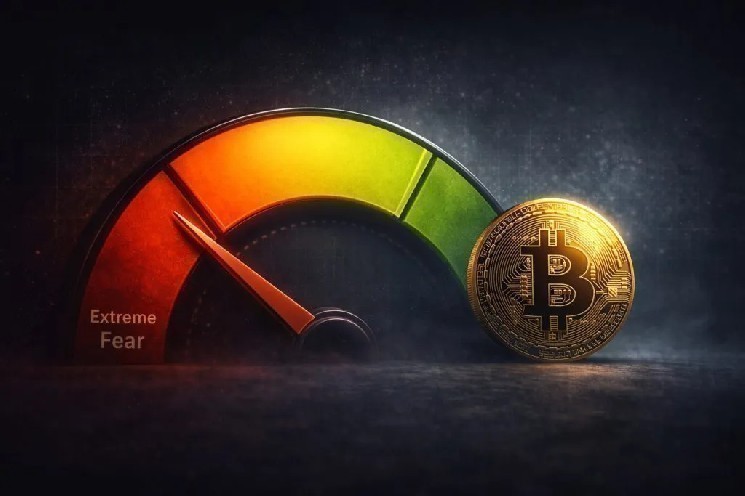
What Is the Crypto Fear and Greed Index? How Smart Traders Use It in 2026
The Crypto Fear and Greed Index measures market sentiment on a scale from 0 (Extreme Fear) to 100 (Extreme Greed). Warren Buffett's rule applies: be greedy when others are fearful, fearful when others are greedy. The index hit 8 in June 2022 at Bitcoin's $17,000 low. It hit 90 in November 2024 near Bitcoin's $99,000 price. August 2026 reading is 28, Fear territory. Here is exactly how it is calculated and how traders use it.
How to Spot a Crypto Rug Pull Before It Happens: 12 Red Flags Every Investor Must Know
A rug pull happens when developers abandon a project and steal investor funds. Over $2.8 billion was lost to rug pulls in 2023. Anonymous teams, unaudited contracts, locked liquidity with short timeframes, and sudden social media hype before a launch are the primary warning signs. Most rug pulls share 6 or more of the 12 red flags covered in this guide. Here is how to check each one before you send a single dollar.
How to Make $100 a Day With Crypto: What Actually Works in 2026 and What Does Not
Making $100 a day with crypto requires either a large capital base earning yield, active trading with significant skill and risk, or building a crypto-related income stream. Staking $720,000 in ETH earns approximately $100 a day at 5 percent APY. A trader needs $10,000 capital and 1 percent daily returns to hit $100. Exchange affiliate programs pay per referred user. This article covers every realistic method with honest numbers.

How to Cash Out Crypto Without Paying Taxes: 8 Legal Strategies That Actually Work in 2026
You cannot eliminate crypto taxes by simply not reporting them. The IRS now receives Form 1099-DA from exchanges showing your cost basis. But you can legally reduce or defer taxes through eight legitimate strategies: long-term holding, tax-loss harvesting, crypto-backed loans, charitable donations, Roth IRA, gifting, relocation, and HIFO accounting. Here is how each one actually works in 2026.

What Percentage of Your Portfolio Should Be Crypto? The Honest Answer for 2026
Financial advisors who engage with crypto suggest 1 to 5 percent for conservative investors, 5 to 10 percent for moderate, and up to 20 percent for aggressive portfolios. Fidelity recommends no more than 5 percent. BlackRock's model portfolios include 1 to 2 percent Bitcoin. Morgan Stanley allows up to 25 percent for suitable clients. Here is the framework for deciding what percentage actually makes sense for your situation.
What Is Tokenomics? How to Evaluate Any Crypto Project Before You Buy in 2026
Tokenomics is the economic design of a cryptocurrency: how many tokens exist, who owns them, how they are released over time, and what creates demand for them. Bitcoin's 21 million hard cap is tokenomics. A 50 percent team allocation with a one-year cliff is tokenomics. A token with no fee capture mechanism is tokenomics. Understanding these mechanics before buying is the difference between research and gambling. Here is the complete guide.

What Is a Stablecoin? The Complete Plain Language Explanation for 2026
A stablecoin is a cryptocurrency designed to maintain a fixed value, almost always pegged to the US dollar. USDT has $120 billion in circulation. USDC is used to settle billions in daily transactions. DAI maintains its peg through smart contracts with no bank involved. Together they are the most used crypto assets in the world. Here is a plain language explanation of how each type works and why they matter.

What Is a Hard Fork and Soft Fork? Bitcoin Cash, Ethereum Classic, and Why Blockchains Split
A hard fork creates a permanent split in a blockchain, producing two separate chains with different rules. A soft fork is a backward-compatible upgrade. The Bitcoin hard fork of 2017 created Bitcoin Cash. The DAO hack response in 2016 split Ethereum into ETH and Ethereum Classic. Here is a plain language explanation of what forks are, why they happen, and what they mean for holders.

Crypto for Seniors: An Honest Beginner's Guide for Over 60s in 2026
Cryptocurrency is not just for young tech enthusiasts. Millions of people over 60 hold Bitcoin and Ethereum as part of their savings and investment strategy. But the risks are also real, and some scams specifically target older adults. This guide explains what crypto actually is, what the genuine risks are for someone in or near retirement, and how to participate safely if you choose to.

Crypto Slang Explained: Every Term Beginners Need to Know in 2026
HODL came from a typo in 2013. WAGMI means we are all going to make it. Rekt means you lost badly. A rug pull means the developers stole the money. If someone tells you to DYOR they mean do your own research. Here is every crypto slang term you need to know, where it came from, and what it actually means.

Crypto Insurance in 2026: What Is Covered, What Is Not, and Which Platforms Actually Protect Your Funds
FDIC insurance does not cover crypto. Exchange hack insurance rarely covers the full amount. DeFi protocol exploits are generally not insured. Nexus Mutual, InsurAce, and Unslashed Finance offer on-chain smart contract coverage. Coinbase has $320 million in crime insurance for hot wallet holdings. Here is the honest picture of what is and is not covered in 2026.
What Is a Crypto Index Fund? The Complete Guide for 2026
A crypto index fund gives you diversified exposure to multiple cryptocurrencies in a single product without picking individual coins. Bitwise's BITW holds Bitcoin, Ethereum, Solana, and other top assets. The Grayscale Digital Large Cap Fund covers the top five. Crypto index ETFs launched in 2025 brought this concept to conventional brokerage accounts. Here is how they work and whether they make sense for your situation.
How to Use a DEX for Beginners: The Complete 2026 Guide to Decentralized Exchanges
A decentralized exchange lets you swap crypto directly from your wallet with no account, no KYC, and no company holding your funds. Uniswap processes billions in daily volume. Jupiter on Solana has become one of the most used DeFi applications in the world. But DEXs also have slippage, gas fees, impermanent loss traps, and front-running bots that beginners regularly lose money to without understanding why. Here is the complete honest guide.
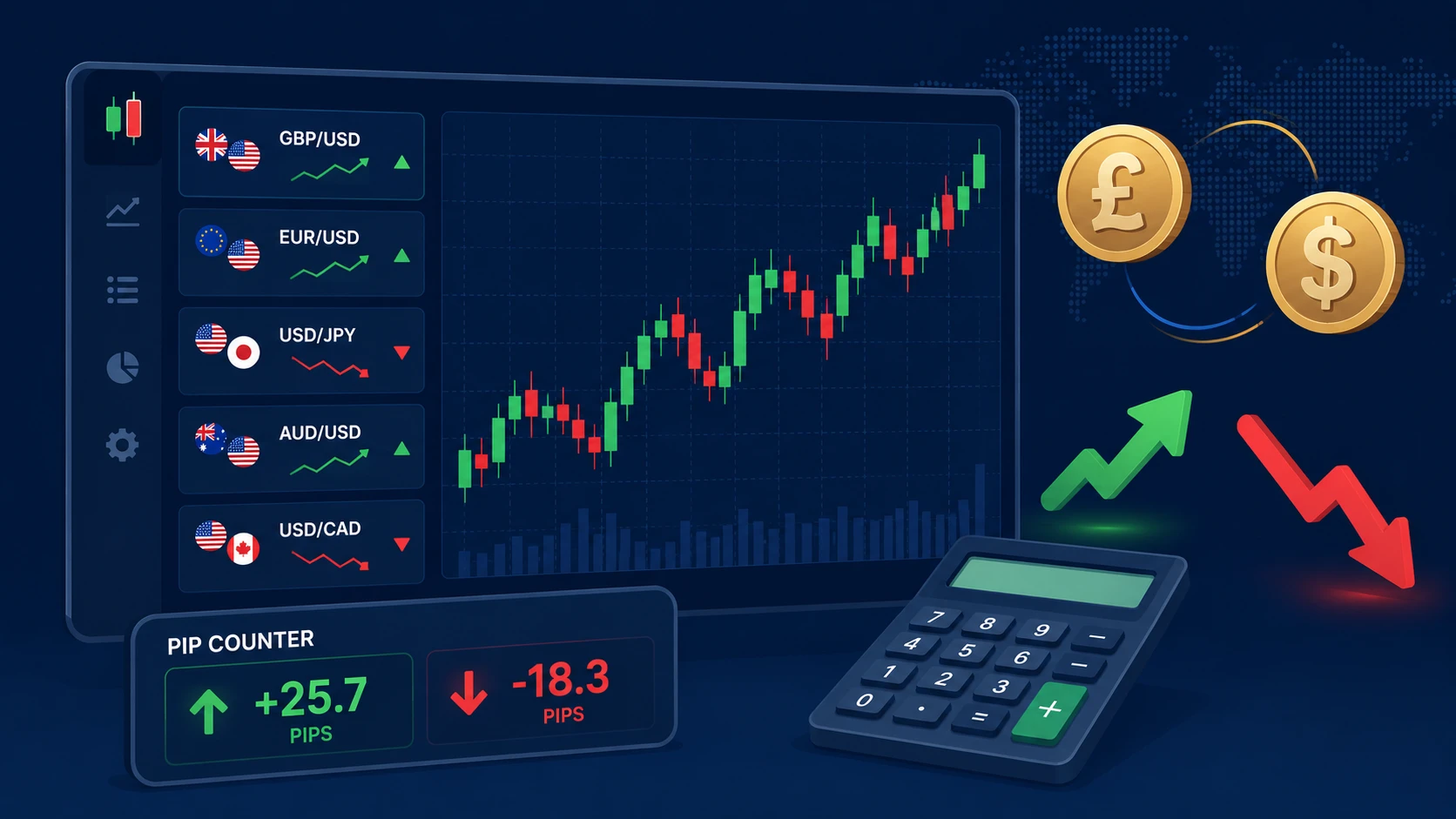
Crypto Profit Calculator: How to Calculate Your Gains, Losses, and ROI Accurately
Calculating your crypto profit sounds simple until you factor in multiple buy prices, partial sells, fees, and tax implications. Most people either overestimate their gains by ignoring fees or underestimate their cost basis by forgetting earlier purchases. MediaCrypto's free Profit Calculator handles the maths instantly. Here is how crypto profit calculation actually works and how to use the tool correctly.
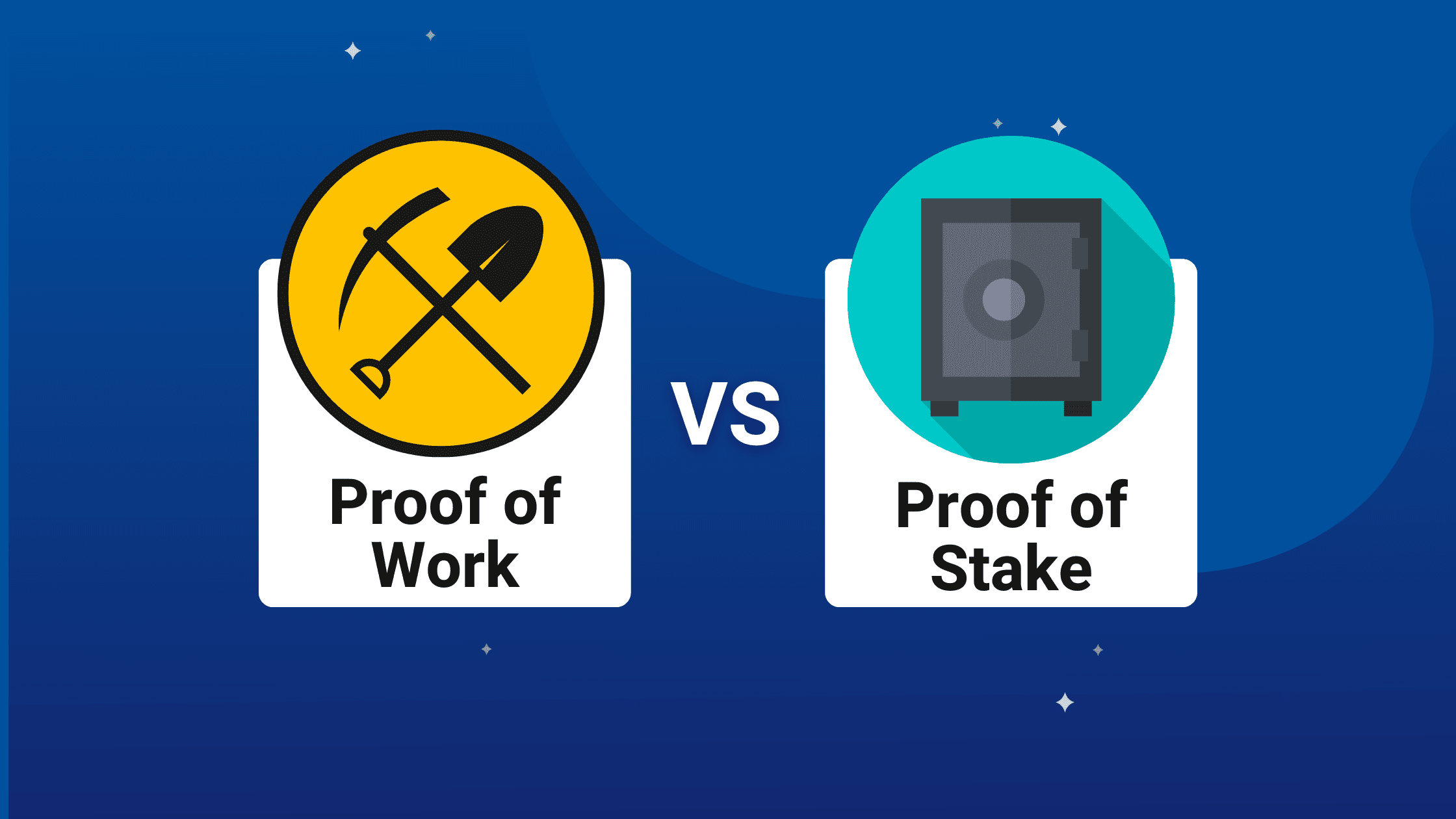
Proof of Work vs Proof of Stake: What Is the Difference and Which Is Better?
Bitcoin uses Proof of Work and consumes more electricity than some countries. Ethereum used Proof of Work until September 2022 and then switched to Proof of Stake, reducing its energy use by 99.95 percent. Both are consensus mechanisms that solve the same problem in fundamentally different ways. Here is a plain language explanation of how each works, what the trade-offs are, and why the debate between them still matters in 2026.

Crypto for Teenagers: A Beginner's Guide for Under 18s in 2026
If you are a teenager interested in crypto, you are probably hearing about it from friends, social media, or the news. Crypto is a real and significant technology that is changing how money works globally. It is also one of the most speculative and risky investment categories that exists. This guide explains what it actually is, what the risks really are, and what you can do legally if you want to learn more, without gambling your savings on something you do not yet fully understand.
How to Check if a Crypto Wallet Is Safe: The Complete Security Guide for 2026
Most crypto wallets are not hacked through brute force. They are compromised through malicious token approvals, honeypot contracts, and scam interactions that accumulate silently over months of DeFi activity. Checking whether your wallet is safe requires knowing what to look for and using the right tools. MediaCrypto's free Wallet Risk Scanner checks your address across six networks against GoPlus Security's database in seconds, with no account required. Here is the complete guide to wallet security checking in 2026.
How to Spot a Memecoin Presale Scam: Every Red Flag Before You Send a Single Dollar
Most memecoin presales are designed to extract money from retail investors and transfer it to insiders before the token launches. The red flags are consistent across thousands of failed projects. Anonymous team, no contract audit, locked liquidity for only 30 days, team holding 30 percent of supply, and a Telegram group that bans anyone who asks hard questions. Here is exactly what to look for before you send anything.

What Is a Memecoin? Explained Simply: From Dogecoin to PEPE to the 2026 Market
Dogecoin started as a joke in 2013 and reached a $90 billion market cap in 2021. PEPE launched in April 2023 with no presale, no utility, and no roadmap and hit a $1.6 billion market cap in weeks. The six largest memecoins combined had a $20.6 billion market cap as of March 2026, with Dogecoin alone holding 71.9 percent of it. Here is a plain language explanation of what memecoins actually are and why they behave the way they do.

What Is a DAO? Decentralized Autonomous Organizations Explained Simply
A DAO is an organization run by code and community vote instead of managers and boards. There are no CEOs. Rules are enforced by smart contracts. Anyone holding the governance token can vote on decisions. DAOs have collectively managed billions of dollars in DeFi protocols, funded public goods, and governed major blockchain ecosystems. Here is a plain language explanation of what they actually are and how they work.
Best Crypto for Remittances in 2026: USDT, XRP, Stellar, and USDC Compared
Traditional remittances cost an average of 6 percent and take 3 to 5 days. USDT on Tron costs under $0.01 and settles in seconds. XRP settles bank-to-bank in 3 to 5 seconds via Ripple's ODL, which processed over $15 billion in 2024. Stellar's payment volume hit $5.5 billion in Q1 2026 alone, up 72 percent annually. Here is an honest comparison of which crypto works best for which remittance corridor.

What Happens to Bitcoin After All 21 Million Are Mined? The Complete Explanation
Over 19.8 million Bitcoin have already been mined, representing 94 percent of the total supply. The last Bitcoin will not be mined until approximately 2140. When it is, miners stop receiving new Bitcoin and earn only transaction fees. Whether those fees can sustain Bitcoin's security is the most important unresolved question in Bitcoin's long-term design.
Crypto for Digital Nomads 2026: The Complete Guide to Banking, Spending, Taxes, and the Best Jurisdictions
Over 35 million people now work remotely while traveling internationally. Traditional banks were not designed for this lifestyle. Crypto solves specific problems that digital nomads face better than any conventional financial product: borderless payments, currency conversion at mid-market rates, spending in any country without FX fees, and receiving income without a fixed bank account. Here is the complete practical guide.
Crypto Inheritance: How to Make Sure Your Bitcoin Does Not Die With You
An estimated 3 to 4 million Bitcoin, worth over $180 billion, is permanently inaccessible because owners died without passing on their seed phrases. If you hold significant crypto and have not made a plan for your heirs to access it, you are not protecting an asset. You are scheduling its permanent loss. Here is exactly how to solve this problem.

Who Is Satoshi Nakamoto? Everything We Know in 2026, Including the New York Times Investigation
Satoshi Nakamoto published the Bitcoin whitepaper on October 31, 2008, launched the network on January 3, 2009, and disappeared in December 2010. He holds approximately 1.1 million Bitcoin worth over $65 billion that have never moved. In April 2026, the New York Times published a 10,000-word investigation naming Adam Back as the strongest Satoshi candidate. Back immediately denied it. Here is everything we actually know.

How to Buy Crypto Without KYC in 2026: Five Methods That Actually Work
KYC now covers approximately 85 to 90 percent of centralized exchange volume. The remaining 10 to 15 percent moves through DEXs, P2P platforms, Bitcoin ATMs, instant swap services, and cash trades. Buying crypto without KYC is legal in most jurisdictions and has legitimate privacy use cases. Here is an honest guide to what actually works in 2026, the real trade-offs, and what to watch out for.

How to Actually Earn Crypto Online in 2026: What Works and What Is a Scam
"Play games to earn crypto" and "watch ads for crypto" platforms pay fractions of a cent per hour and frequently require you to deposit first. Freelancing for crypto, staking, running a node, and content creation pay real money. Here is an honest breakdown of what actually works, what is designed to waste your time, and what is outright fraud.
How to Spend Crypto Like Real Money in 2026: Crypto Debit Cards, Virtual Cards, and SolvoCard Reviewed
Crypto debit cards convert your Bitcoin, Ethereum, USDT, or other crypto to fiat at point of sale, letting you spend at any merchant that accepts Visa or Mastercard. SolvoCard offers no-KYC virtual Mastercard and Visa cards funded with BTC, ETH, USDT, USDC, Monero, and Solana, with Apple Pay and Google Pay support and 26,750 active users. Here is how these products actually work and which fits your situation.
Dollar Cost Averaging Crypto Explained: The Strategy That Beats Most Active Traders
Dollar cost averaging into Bitcoin at $100 per week for five years returned $42,508 on $26,000 invested. The S&P 500 returned $37,470 over the same period. DCA beats most active crypto trading strategies not because it finds good entry points, but because it removes the bad ones. Here is exactly how it works and how to set it up.
What Is a Crypto Wallet? A Complete Plain-Language Guide for 2026
A crypto wallet does not store cryptocurrency. Your crypto lives on the blockchain. A wallet stores the private key that proves you own it. That one distinction explains everything about how wallets work, why they can be hacked, and why losing your seed phrase means losing your crypto forever. Here is the complete plain-language guide.

The Biggest Crypto Hacks and Collapses in History: What Actually Happened
Mt. Gox lost 850,000 Bitcoin in 2014. The DAO hack split Ethereum in two in 2016. Ronin Network lost $620 million in 2022. FTX collapsed with $8.9 billion in missing customer funds the same year. Each of these events changed crypto permanently. Here is what actually happened in each case and what the industry learned from it.

What Actually Moves Bitcoin's Price? The Six Forces Behind Every Major Move
Bitcoin has no earnings, no dividend, no CEO, and no central bank. Yet it moved from $16,000 in November 2022 to $126,000 in October 2025 and back to $59,500 in July 2026. Six forces drive those movements. Understanding them does not let you predict Bitcoin's price, but it helps you understand why it moved after it happens, which is actually the more useful skill.

Crypto for Retirement 2026: What Actually Works and What to Avoid
Bitcoin ETF shares can now be held in IRAs and 401(k)s. Self-directed crypto IRAs have existed since 2016. Staking ETFs generate yield inside tax-advantaged accounts. But crypto's 50 to 80 percent bear market drawdowns make it genuinely dangerous as a retirement core holding. Here is an honest framework for using crypto in retirement planning without it becoming a retirement risk.
Best Crypto-Friendly Banks in the USA 2026: After Operation Chokepoint, What Actually Works
Between 2022 and 2024, US regulators pressured banks to drop crypto clients through Operation Chokepoint 2.0. Silvergate and Signature Bank both collapsed in March 2023. In January 2025 the SEC rescinded SAB 121 and the OCC confirmed banks can hold crypto. The landscape has shifted significantly. Here is what actually works for US crypto users and businesses in 2026.
Best Crypto-Friendly Banks in Europe 2026: Where to Bank Without Getting Your Account Blocked
Most traditional European banks still block or flag transfers to and from crypto exchanges. Revolut, N26, Fidor, BBVA Spain, Bankera, Bank Frick, and Wirex have different approaches to crypto. MiCA has changed what regulated platforms can offer. Here is an honest guide to where European crypto investors can bank in 2026 without friction.
Crypto vs Real Estate in 2026: Which Is the Better Investment?
Real estate has generated consistent long-term wealth for more people than any other asset class in history. Crypto has generated faster gains over shorter periods for a much smaller percentage of investors. They serve fundamentally different roles in a portfolio, and comparing them as alternatives misses the point. Here is an honest framework for thinking about both in 2026.
Is Bitcoin a Good Investment in 2026? An Honest Answer
Bitcoin hit $109,000 in January 2026 and is trading near $59,500 in July, down 45 percent in six months. It has also outperformed every major asset class over five and ten year periods. Whether it is a good investment in 2026 depends entirely on which of those two facts matters more for your specific situation. Here is an honest framework for thinking it through.

How to Earn Passive Income With Crypto in 2026: Seven Methods Ranked by Risk
Crypto passive income in 2026 ranges from Ethereum ETFs distributing staking rewards to your brokerage account, to DeFi liquidity provision yielding 15 to 30 percent with commensurate smart contract risk. Here is an honest ranking of seven methods by risk level, with realistic yield expectations and what can go wrong with each.

How to Legally Reduce Your Crypto Taxes in 2026: Six Strategies That Actually Work
Crypto taxes in 2026 are more enforced than ever, with Form 1099-DA now mandatory for all US exchanges and CARF data sharing live across multiple countries. But there are six genuinely legal strategies that reduce what you owe. None of them involve hiding anything. Here is the complete guide.

What Is Real-World Asset Tokenization? The Complete Explanation for 2026
Real-world asset tokenization converts ownership rights in physical or financial assets into digital tokens on a blockchain. BlackRock's tokenized money market fund crossed $2 billion. Avalanche is running a $200 billion real estate tokenization initiative. Singapore's central bank is building wholesale tokenization infrastructure. Here is a plain language explanation of what this technology actually is and why institutions are moving fast on it.
Crypto vs Stocks: Which Is the Better Investment in 2026?
Bitcoin has outperformed the S&P 500 over every five-year period since 2013, but it has also crashed 50 to 80 percent multiple times along the way. Stocks have 150 years of institutional validation and legal investor protections that crypto does not. Here is an honest comparison of which fits your situation in 2026, without telling you that one is obviously better than the other.
Best Crypto Portfolio Tracker 2026: How to Monitor Your Holdings and Check Wallet Safety
A crypto portfolio tracker gives you a single view of what you hold across multiple wallets and exchanges, how it is performing, and whether any of your assets carry security risks. Here is what to look for in 2026 and how MediaCrypto's own free wallet scanner fits into the picture.

CoinOne Review 2026: South Korea's Trusted Exchange With One Big Limitation
CoinOne has operated without a major security breach since 2014, processes $50 million to $300 million in daily spot volume, supports over 250 cryptocurrencies against the Korean Won, and offers staking yields up to 16.34 percent on some assets. The limitation is straightforward: if you do not have a South Korean bank account and a Korean phone number, this exchange is effectively inaccessible. Here is an honest review of what CoinOne offers and who it actually serves.
How to Keep Your Crypto Safe From Hackers in 2026
Crypto losses to hacks and scams reached $14 to $17 billion in 2025, a record high. Most of those losses were not from exchange hacks but from individual users making preventable mistakes. Here is a practical, honest guide to protecting your crypto in 2026 without needing to be a security expert.

What Is Crypto Mining? Explained Simply for Beginners
Crypto mining is the process that creates new Bitcoin and secures the network, using real-world computing power to solve mathematical puzzles. Every Bitcoin you have ever owned passed through a miner at some point. Here is a plain language explanation of how mining works, why it uses so much energy, and whether mining Bitcoin yourself makes any sense in 2026.
:max_bytes(150000):strip_icc()/SpotbitcoinETFslikeIBITGBTCBitcoinSolana-182082c96272479eb0c9d970cc5d4a06.png)
Bitcoin ETF Explained: What It Is, How It Works, and Why It Matters
Spot Bitcoin ETFs launched in the US in January 2024 and accumulated over $55 billion in net inflows within 18 months, the fastest ETF adoption in history. But most people still do not understand exactly what a Bitcoin ETF is, how it differs from buying Bitcoin directly, or why it matters for the price. Here is a plain language explanation.

What Is Tether? USDT Explained Simply
Tether's USDT is the largest stablecoin in the world with approximately $189 billion in circulation, more than Bitcoin's entire market cap at some points in crypto history. It is the most traded cryptocurrency by volume globally, used by more than 550 million people. Here is what it is, how it works, and why it remains controversial despite its dominance.
Crypto Fear and Greed Index Explained: What It Is and How to Actually Use It
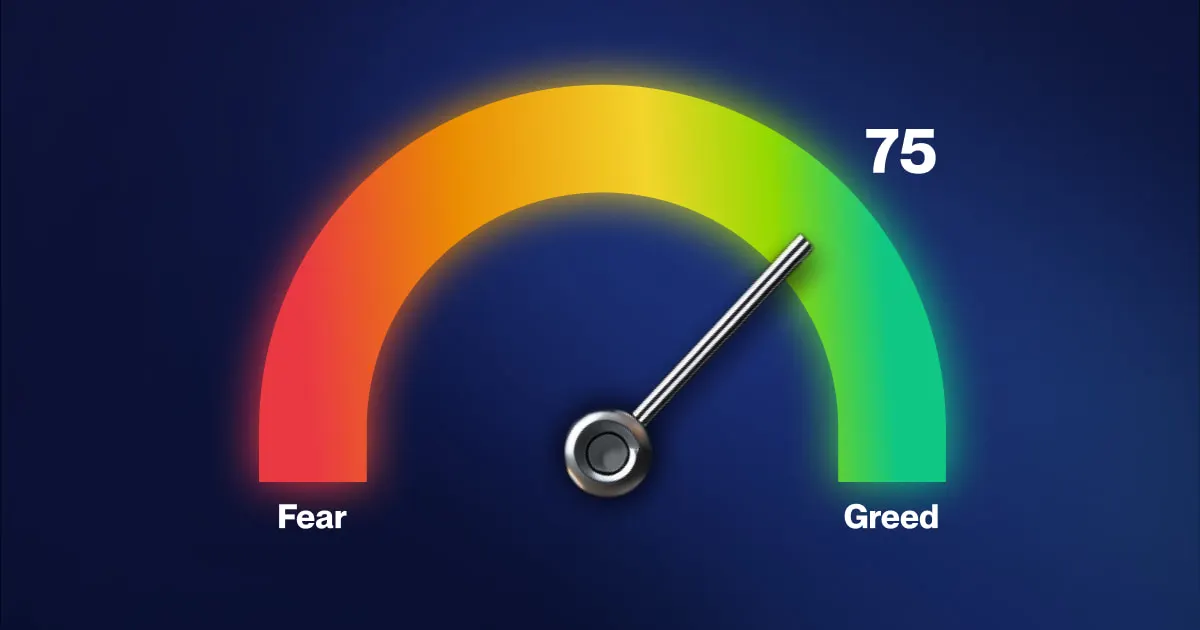
The Crypto Fear and Greed Index gives you a single number from 0 to 100 measuring whether the market is panicking or overconfident. It has been in extreme fear for much of 2026. Here is what the index actually measures, where it comes from, and how experienced investors actually use it without treating it as a buy or sell signal.