


Regulation
Coverage of cryptocurrency laws, government policy, and regulatory developments worldwide. From CLARITY Act progress in the US to tax reforms in Japan, Hungary, and Greece, this category tracks how governments are shaping the legal framework for digital assets and what it means for investors.

BankChain Alliance Explained: 39 US Banking Associations Are Building Their Own Blockchain to Fight Back Against Crypto Stablecoins
On August 25 2026, 39 US state banking associations announced the BankChain Alliance, an industry-owned blockchain network targeting tokenized deposits, stablecoins, and smart payments with a 2027 launch target. The coalition represents 3,283 banks holding $21.8 trillion in assets. No technology partner has been chosen. The Texas Bankers Association led the effort. Interim chair is Kathy Kraninger, former CFPB director. This is the banking industry's direct response to USDC and USDT. Here is the complete explainer.

The CLARITY Act Explained: What Is It, Where Does It Stand in August 2026, and Why Bitcoin Surged 12 Percent When Trump Pushed for It
Bitcoin surged 12 percent in two days after Trump led a last-ditch push for the CLARITY Act on August 20 2026. The Senate skipped a vote before the August recess. A procedural vote is scheduled for September 15. The SEC and CFTC already jointly classified 16 tokens as commodities including XRP, Ethereum, Solana, and Cardano on March 17 2026. The GENIUS Act governing stablecoins is already law since July 2025. Here is the complete explainer.

Where Is Sam Bankman-Fried Now in 2026? Appeal Denied, Pardon Request Pending, Release Date 2044
Sam Bankman-Fried is serving a 25-year sentence at a low-security federal prison near Santa Barbara, California. On June 12, 2026, the Second Circuit Court of Appeals unanimously rejected his appeal. He has formally filed for a presidential pardon from Donald Trump. Trump has said he has no intention of pardoning him. The FTX bankruptcy estate has distributed $14.7 billion to creditors. His projected release date is 2044.

What Is a Crypto Mixer? Tornado Cash, the OFAC Sanctions, the Court Reversal, and Why Governments Want Them Banned
A crypto mixer pools and shuffles transactions to obscure their origin. Tornado Cash mixed over $7.6 billion in ETH including $455 million stolen by North Korea's Lazarus Group. OFAC sanctioned it in August 2022. A US appeals court overturned the sanctions in 2024 saying software code cannot be sanctioned as property. OFAC lifted sanctions in March 2025. Developer Roman Storm was convicted of operating an unlicensed money transmitting business. Here is the complete explainer.
The Digital Yuan Explained: What China's e-CNY Actually Is and Why It Matters in 2026
China's digital yuan has processed 3.48 billion transactions worth approximately $2.37 trillion since launch, grown 800 percent since 2023, and in January 2026 became interest-bearing for the first time. It is the world's largest live CBDC experiment. It is also not a cryptocurrency. Here is a plain language explanation of what the e-CNY actually is, how it works, and what it means for the global financial system.

Crypto in Indonesia 2026: 14 Million Users, a Regulator Switch That Changed Everything, and Law 4/2026
Indonesia transferred crypto regulation from commodity regulator Bappebti to financial regulator OJK on January 10, 2025, reclassifying crypto from a tradable commodity to a digital financial asset. Law No. 4 of 2026, effective June 17, took this further, bringing crypto fully inside the financial services institution framework. 14.16 million users, IDR 650 trillion in 2024 volume, 228 unlicensed platforms shut down in five months. Here is the complete picture.
Crypto in Mexico 2026: 35 Million Users, the World's Largest Remittance Corridor, and a Fintech Law That Still Has Gaps
Mexico has over 35 million crypto users, processes more than $60 billion annually in US-Mexico remittances, and has Bitso, one of Latin America's largest exchanges, processing $1 billion-plus in monthly volume. Crypto is legal but Banxico prohibits regulated financial entities from offering it to the public. The Fintech Law 2.0 reform push began June 16, 2026. Here is the complete picture.

Crypto in Turkey 2026: $200 Billion in Annual Volume, a 10 Percent Proposed Tax, and Full Licensing by June 30
Turkey recorded approximately $200 billion in crypto transaction volume in 2025, the largest crypto market in the Middle East and among the top globally. More than half the population has owned crypto, driven by lira depreciation that has exceeded 80 percent since 2021. A 10 percent withholding tax and 0.003 percent transaction levy are pending parliamentary approval. All CASPs must be fully licensed by June 30, 2026. Here is the complete picture.
Crypto in Nigeria 2026: From Total Bank Ban to Africa's Most Regulated Market in Five Years
In February 2021 Nigeria's central bank banned all banks from facilitating crypto transactions. In December 2023 it reversed course. Binance then became the center of a currency manipulation investigation that led to executive detentions and a complete naira exit. In 2026 Nigeria has a functioning SEC licensing regime, local compliant exchanges, and one of Africa's largest crypto user bases. Here is the full story.
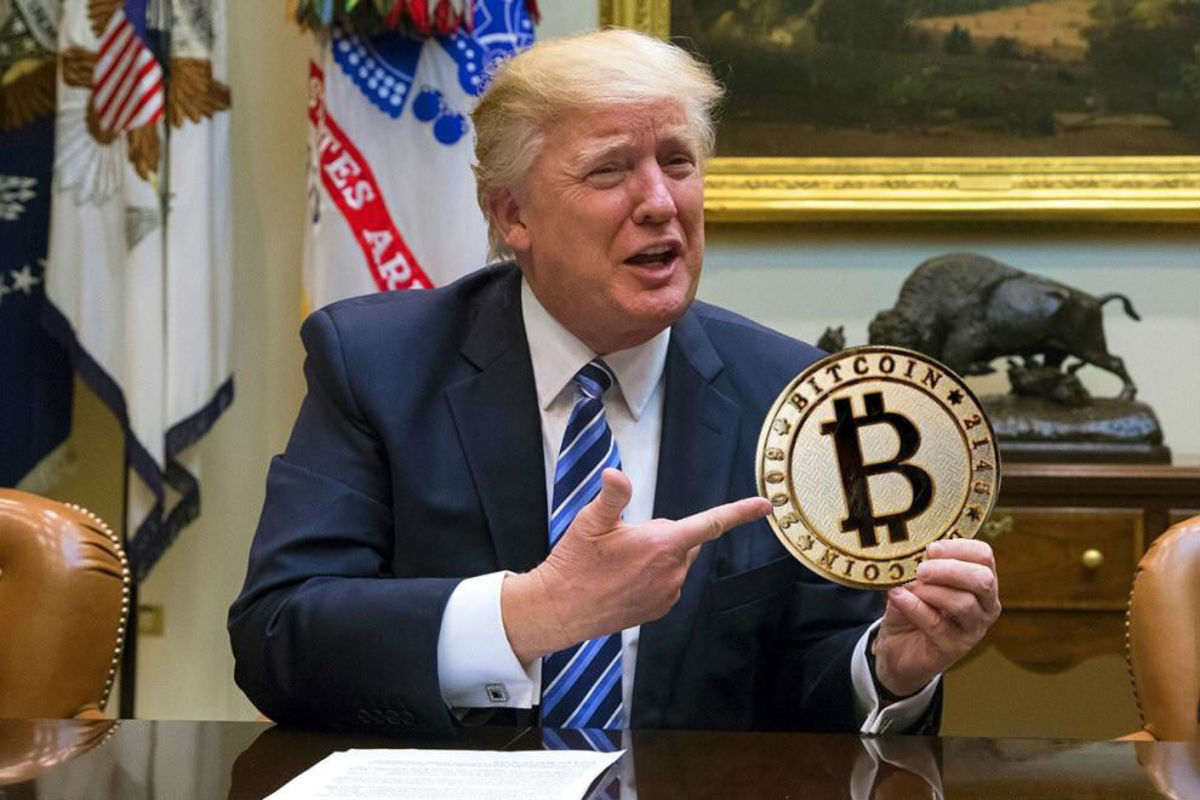
How Trump Changed Crypto: Every Major Policy Move From January 2025 to July 2026
Donald Trump took office in January 2025 calling himself the "crypto president" and promising to make America the crypto capital of the world. Eighteen months later, the SEC has dropped dozens of enforcement actions, the GENIUS Act is law, a Strategic Bitcoin Reserve holds 328,372 BTC, and Bitcoin is trading 45 percent below its January 2025 all-time high. Here is what actually changed and what did not.
Crypto in Russia 2026: Banned for Payments, Essential for Sanctions Evasion, and Finally Getting a Legal Framework
Russia has approximately 20 million crypto users, processed over $376 billion in crypto activity in a single year, and built what blockchain analysts call a shadow crypto economy to survive Western sanctions. Crypto payments remain illegal inside Russia. Mining is legal and treated as a strategic export. A comprehensive licensing framework targeting July 2026 would create the first regulated domestic trading market. Here is the complete picture.

Crypto in Australia 2026: New Laws, 31 Percent Adoption, and a Hard July Deadline
Approximately 6.2 million Australian adults own or have owned cryptocurrency, representing 31 percent of the adult population. The Corporations Amendment (Digital Assets Framework) Bill passed Parliament on April 1, 2026, requiring crypto exchanges to obtain Australian Financial Services Licences. AUSTRAC's Travel Rule took effect July 1, 2026. Here is the complete picture of crypto in Australia in 2026.

MiCA Regulation Explained: What the EU's Crypto Law Actually Does
MiCA, the EU's Markets in Crypto-Assets regulation, became fully enforceable on July 1, 2026. It created one common rulebook for crypto across all 27 EU member states, replacing a patchwork of national regulations. It is why USDT was delisted from European exchanges while USDC stayed, and why any firm serving EU crypto users without a MiCA licence is now breaking the law. Here is what it actually does.

Crypto Regulation in 2026: Where the CLARITY Act and GENIUS Act Actually Stand
The CLARITY Act advanced through Senate Banking Committee markup on a 15 to 9 vote in May 2026 and now sits on the Senate calendar. The GENIUS Act, already signed into law, has implementation deadlines arriving in July 2026. Here is a clear breakdown of what each bill actually does and where the fight over stablecoin interest stands right now.

Japan Crypto Tax 2026: Lower House Passes Bill Cutting Bitcoin and Ethereum Tax From 55% to 20%
Japan's Lower House passed a landmark bill on June 11, 2026 reclassifying Bitcoin, Ethereum, and approximately 105 other crypto assets as financial products, cutting capital gains tax from a maximum of 55 percent to a flat 20 percent and clearing the path for spot Bitcoin and XRP ETFs. Here is what the reform means for Japanese investors, Metaplanet, and global crypto adoption.

Europe's Crypto Tax Race in 2026: Why Hungary, Greece, and Japan Are All Cutting Rates the Same Week
Hungary decriminalized crypto trading on June 11, 2026, scrapping eight-year prison terms from the Orban era. Greece is drafting a flat 15 percent capital gains tax. Japan cut crypto tax from 55 to 20 percent the same week. Here is why governments across Europe and Asia are racing to make crypto easier, not harder, in 2026.